Realistic AI Income Ideas for Beginners: 7 Practical Paths That Start With Skills
A practical beginner guide to realistic AI-assisted income ideas built around skills, useful workflows, simple offers, and human review instead of hype.
 Daniel Charles Mwangila
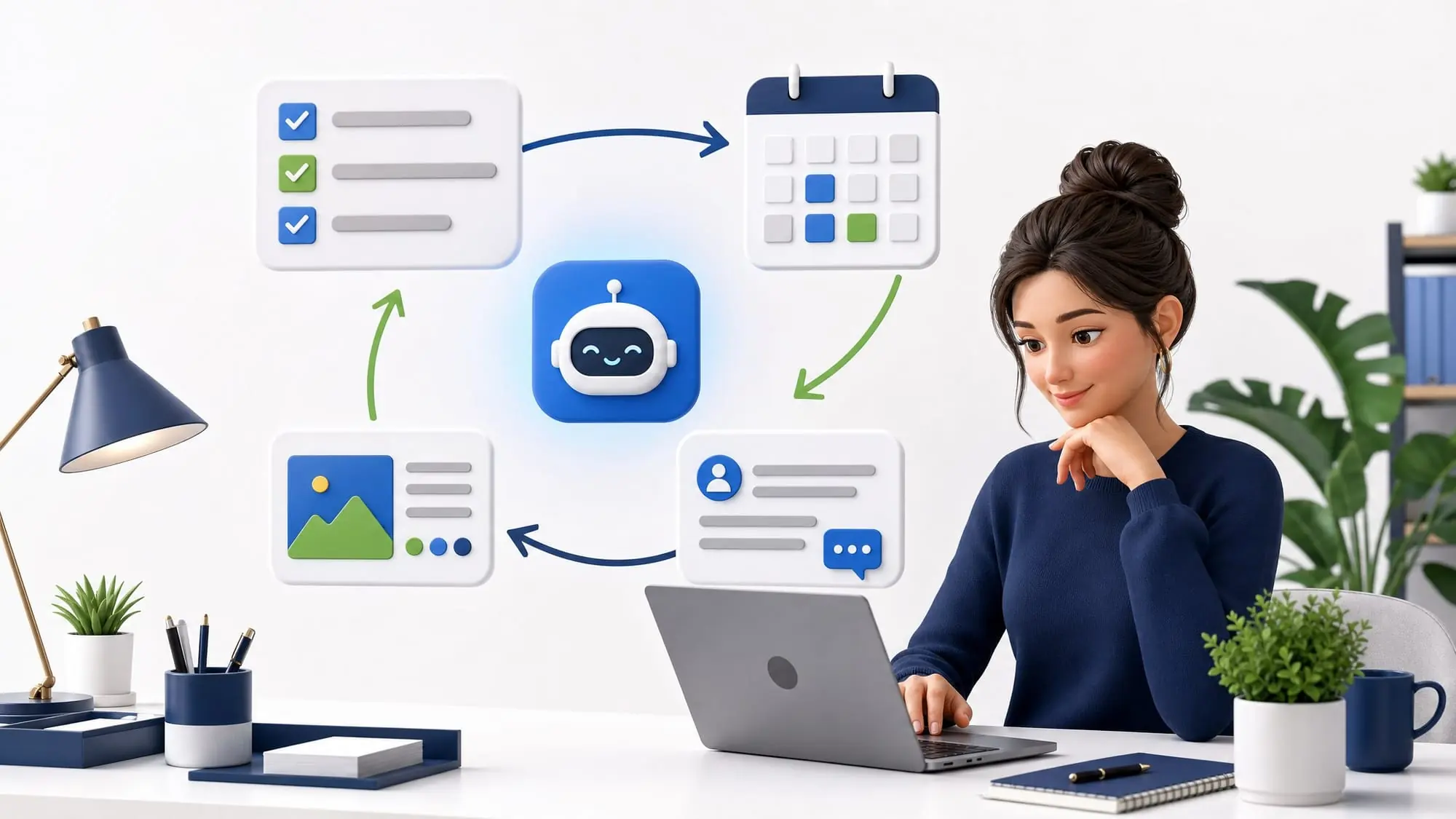
AI can help beginners create income opportunities, but it does not remove the need for skill, audience understanding, useful offers, and consistent delivery.
The realistic path is not “use one prompt and get paid.” It is learning how to use AI to solve a clearer problem, package the result, and deliver something people actually value.
This guide breaks down seven beginner-friendly AI income ideas that can grow from simple skills into useful digital products, services, or content assets.
What Makes an AI Income Idea Realistic?
A realistic AI income idea has five parts:
- A clear audience: someone with a specific problem, not “everyone online.”
- A practical skill: writing, research, planning, design, organization, editing, teaching, or workflow setup.
- An AI-assisted process: a repeatable workflow that saves time or improves quality.
- A simple offer format: template, checklist, service, guide, audit, content pack, or mini-training.
- A human review step: your judgment, editing, examples, and quality control.
AI can speed up research, drafting, organizing, ideation, and repurposing. The value still comes from choosing the right problem and turning the output into something useful.
1. Create AI-Assisted Content Templates
Best for: creators, freelancers, coaches, consultants, and small business owners who already understand one content format.
Many people want to create content but get stuck deciding what to say, how to structure it, and how to turn one idea into multiple posts. You can use AI to build templates that make the process easier.
AI-assisted solution
Use AI to help turn a content process into a reusable template. For example:
- Instagram carousel outline template
- YouTube video research brief
- Newsletter planning worksheet
- LinkedIn post structure kit
- One idea to 10 content assets workflow
Offer format
Sell a small template pack, include it as a lead magnet, or use it as the front end for a content workflow service.
Realistic next step
Pick one content format you understand. Build a template that helps someone go from blank page to usable first draft.
2. Package a Simple AI Content Repurposing Service
Best for: beginners who enjoy editing, organizing, and turning long ideas into short assets.
Creators and small business owners often have long-form content sitting unused: videos, podcasts, webinars, blog posts, or newsletters. AI can help extract the strongest ideas and convert them into shorter formats.
AI-assisted solution
Use AI to summarize source content, pull key lessons, identify hooks, draft captions, and structure repurposed assets. Then review everything for accuracy, voice, and usefulness.
Offer format
A simple starter offer could be:
- One blog post into five LinkedIn posts
- One video transcript into 10 short-form hooks
- One podcast episode into a newsletter and carousel outline
Realistic next step
Practice on your own content first. Build a before-and-after sample that shows the source material and the finished assets.
3. Build Beginner-Friendly AI Tool Guides
Best for: people who like testing tools, explaining steps, and helping beginners avoid confusion.
Most beginners do not need a giant list of AI tools. They need help choosing the right tool for a specific job.
AI-assisted solution
Use AI to compare use cases, build selection criteria, draft tutorials, and organize screenshots or examples. Your role is to test the workflow and explain what actually works.
Offer format
You can create:
- A beginner AI tool selection checklist
- A paid mini-guide for one workflow
- A comparison article with affiliate links where appropriate
- A tutorial library for a specific audience
Realistic next step
Choose one audience and one task, such as “AI tools for creators planning weekly content.” Avoid trying to cover every tool at once.
4. Sell AI-Assisted Digital Product Outlines
Best for: people who understand teaching, planning, writing, or organizing information.
Many creators have knowledge but struggle to package it into a guide, workbook, checklist, or mini-course. AI can help turn scattered expertise into a structured product outline.
AI-assisted solution
Use AI to organize the topic, identify beginner questions, draft module outlines, create worksheet ideas, and suggest examples. Then refine the product based on what the audience actually needs.
Offer format
This can become:
- A digital product outline service
- A workbook template
- A mini-course planning kit
- A paid strategy session with a follow-up roadmap
Realistic next step
Start with one small product idea. Build the outline, table of contents, promise, audience, and first worksheet before creating the full product.
5. Offer AI Research Briefs for Creators or Small Businesses
Best for: people who are good at summarizing, organizing, and turning research into clear decisions.
Business owners and creators often need research before making content, product, or marketing decisions. AI can help speed up the first pass, but human review is essential.
AI-assisted solution
Use AI to organize market questions, summarize public information, extract common audience pain points, and create decision briefs. Then verify important claims and remove weak or unsupported points.
Offer format
Examples include:
- Audience research brief
- Competitor content gap brief
- Product idea validation brief
- SEO topic research brief
Realistic next step
Create one sample research brief around a niche you understand. Show the problem, key insights, recommended content angles, and next actions.
6. Build a Simple AI Workflow Setup Service
Best for: freelancers, virtual assistants, operations-minded creators, and small business support providers.
Many people have tried AI tools but have not turned them into a repeatable workflow. You can help them design a simple system for one recurring task.
AI-assisted solution
Map the task, identify inputs, build prompts, define the review step, and create a reusable checklist. Keep the workflow small enough that the client can actually use it.
Offer format
Possible offers include:
- Weekly content planning workflow
- Client onboarding email workflow
- Research and summary workflow
- Newsletter drafting workflow
Realistic next step
Pick one recurring task and document the workflow from input to final output. Test it three times before offering it to someone else.
7. Create Educational Content Around One AI Skill
Best for: beginners who want to build trust before selling a product or service.
Content can become an income path when it teaches a useful skill, builds audience trust, and leads to a relevant offer.
AI-assisted solution
Use AI to plan content ideas, draft outlines, repurpose posts, and create beginner-friendly examples. Your job is to add experience, judgment, and practical steps.
Offer format
This can support:
- A newsletter
- A paid guide
- A template shop
- A beginner workshop
- A service consultation
Realistic next step
Choose one AI skill to teach for 30 days, such as prompt structure, content repurposing, digital product planning, or workflow setup. Every post should point to one useful next action.
A Simple Filter for Choosing Your First AI Income Idea
Before choosing an idea, answer these questions:
- What skill do I already have or want to build?
- Who has a problem connected to that skill?
- Can AI help me create a better or faster workflow?
- What can I package as a simple first offer?
- What proof or sample can I create before selling?
If you cannot answer those questions, the idea is probably too vague. Narrow it until the audience, problem, workflow, and output are clear.
Beginner AI Monetization Workflow
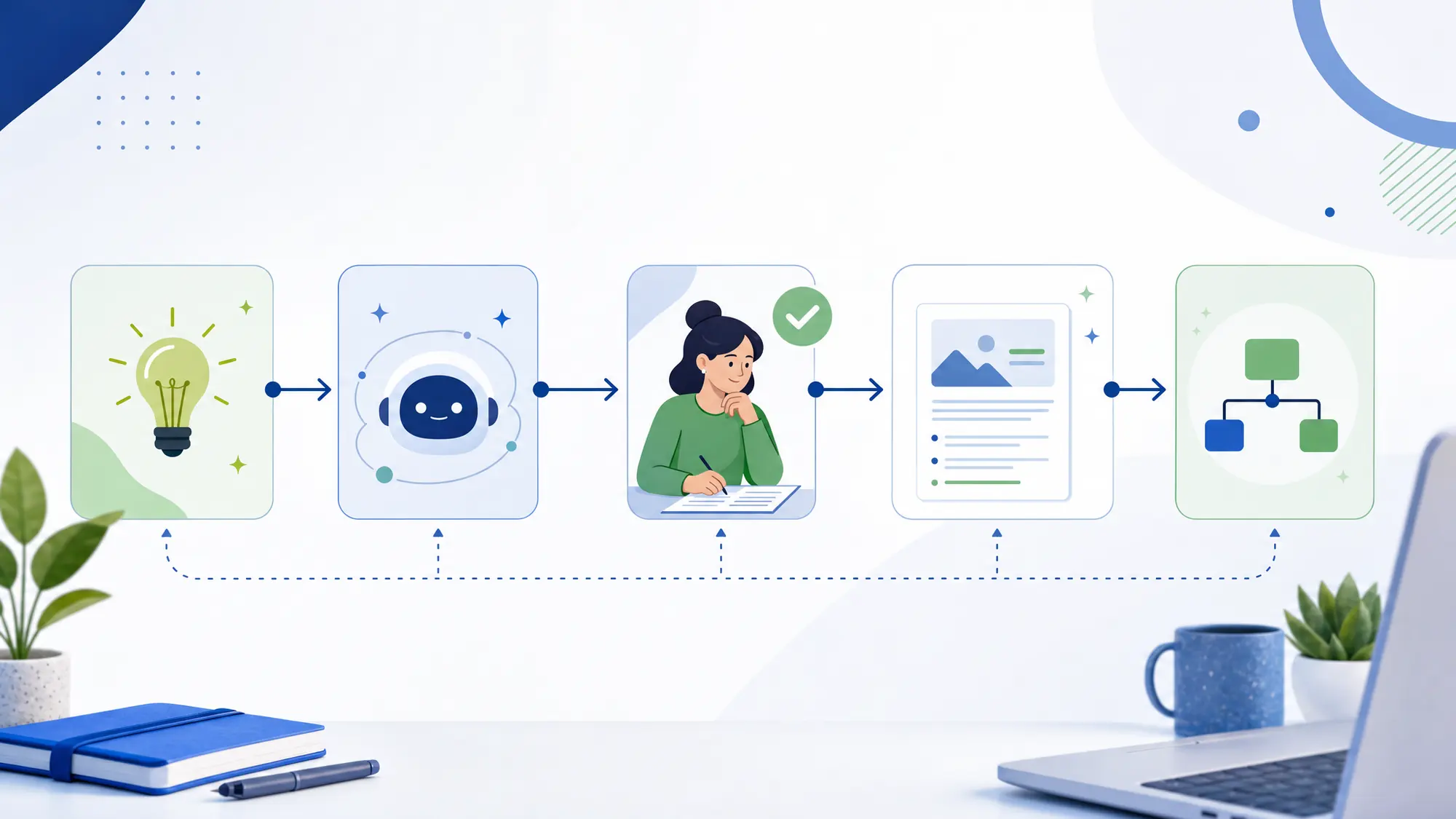
Use this simple workflow before you build anything:
- Pick one audience: creators, freelancers, coaches, local businesses, students, or service providers.
- Pick one problem: content planning, research, repurposing, product outlining, tool selection, or workflow setup.
- Use AI for structure: brainstorm, outline, organize, draft, summarize, or format.
- Add human judgment: edit, verify, simplify, add examples, and remove weak output.
- Package the result: template, checklist, guide, service, brief, or workshop.
- Create one sample: show what the buyer receives and how it helps.
- Share the process: turn your build process into content that teaches and builds trust.
Common Mistakes to Avoid
- Starting with the tool instead of the problem: tools change, but audience problems remain.
- Promising income too quickly: monetization depends on skill, demand, offer quality, and trust.
- Selling raw AI output: people pay for useful finished assets, not unreviewed drafts.
- Choosing an audience that is too broad: “small business owners” is broad; “solo coaches who need weekly newsletter ideas” is clearer.
- Skipping proof: build one sample, case study, screenshot, or before-and-after example.
FAQ
Can beginners really make money with AI?
Yes, but not just by using prompts. Beginners can create income opportunities when they use AI to support a real skill, solve a specific problem, and package the result into something useful.
What is the easiest AI income idea to start with?
The easiest starting point is usually a template, checklist, content repurposing service, or simple workflow setup because these can be built around one clear problem and tested quickly.
Do I need to be technical to use AI for income?
No. Many beginner AI income paths are based on writing, planning, research, organization, content creation, teaching, or service delivery. Technical skills can help later, but they are not required to start.
What should I avoid when selling AI-assisted work?
Avoid income guarantees, copied content, fake expertise, unverified research, and raw AI output. Always review, edit, verify, and improve the work before delivering it.
Next Step
If you want to choose a realistic path, start by mapping your skill, audience, problem, AI workflow, offer format, and first proof asset.
CTA: Download the AI Monetization Pathways Map to compare beginner-friendly income ideas and choose one practical first offer to build.